


Top 5 Tips on Gardening with Children in Plymouth, Devon & Cornwall
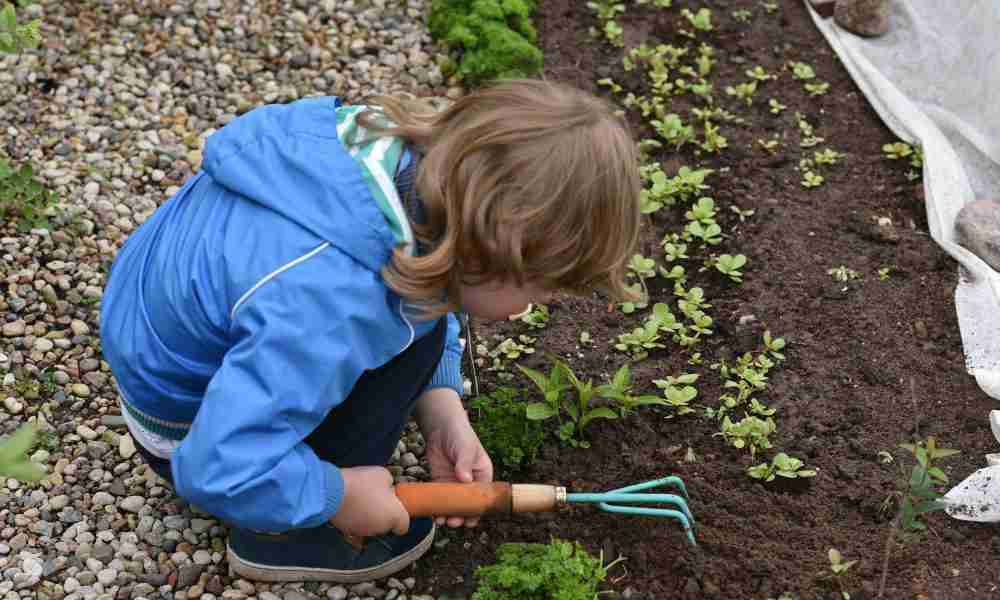
As the days are getting longer and the weather is starting to warm up, people are beginning to spend more time outside enjoying nature. If you’re busy thinking of ways to get your garden ready for spring and summer, there’s no better way than by getting the whole family involved and gardening with your children in your garden in Plymouth, Devon, or Cornwall.
Activities that you can do at home, using items you already have or can easily order online, are the key to keeping your children entertained. Whether you’ve got a compact patio garden or a sprawling expanse of lawn, our top tips can help you get prepared for gardening with children and getting them engaged with their environment.

1. Fast-Growing Plants
Vegetables
Vegetables, herbs and flowers that sprout quickly are great for planting with younger children, as you can see the fruits of your labour faster. Cress, parsley and radishes are ideal for planting with your children, as they’re harvestable in a matter of weeks and have the added bonus of being tasty! Seeds can be purchased online from nurseries, DIY shops or online retailers and delivered through your letterbox easily.
Sunflowers
Sunflowers are also low maintenance, fast to grow and perfect for children to tend to. This activity is simple to start because all you need are seeds, soil and something to plant them in. If you don’t have any room to spare in your beds or planters, you can use old pots or even decorated jam jars to hold your sunflower seedlings. Once the seeds have been sown and they begin to sprout, the race is on to see whose sunflower is the tallest!
2. Plant a Sensory Garden
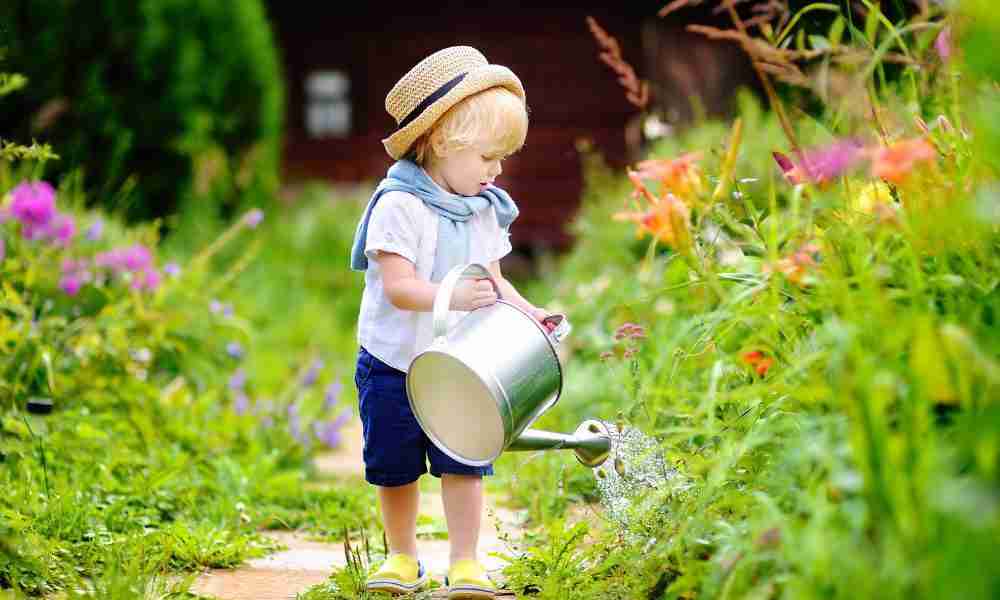
Full of plants and shrubs that stimulate all of the senses, sensory gardens are a simple way to spark an interest in nature and start gardening with children. Let your children choose a variety of different plants and shrubs, to help them learn through play and interaction and then choose a quiet area in your garden to create your masterpiece!
See
Bright, bold and beautiful flowers not only look lovely, but help to encourage wildlife (bees, butterflies and birds) into the garden, which is a sure-fire way to captivate younger children.
Hear
Grasses provide a relaxing rustling noise, though you can always incorporate windmills or windchimes if you’re short on space.
Taste
Don’t be afraid to incorporate herbs, vegetables or edible flowers into your sensory garden, just make sure your children are clear on which plants they’re allowed to eat!
Touch
Touch is an essential component of any sensory garden, so make sure you add elements like tactile plants (fuzzy lamb’s ears, fluffy pampas grass or sticky purple poley), smooth stones (these can even be painted by the kids in bright colours) or rough-barked trees.
Smell
Last but not least, ensure you’ve got some highly fragrant plants like lavender, mint or jasmine to fill your garden with sweet scents. The more stimulating and interesting you can make the sensory garden, the more your children will want to help you tend to it!
You can either replant and repurpose plants you already own or order some for home delivery from your local garden centre or DIY store.
3. Build a Wormery
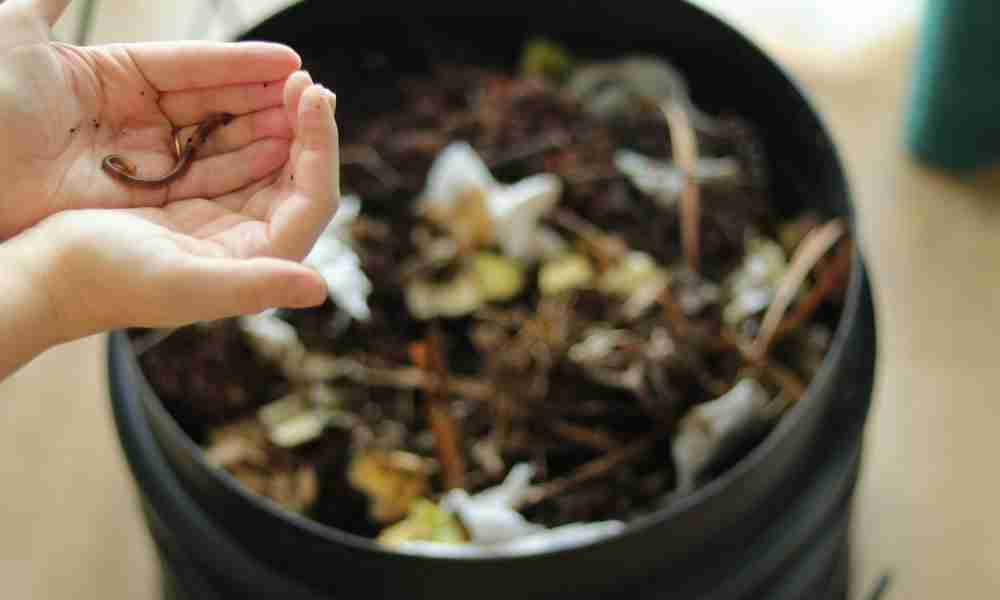
Most children are fascinated by animals of all shapes and sizes, so simple wormeries are a great way to help children watch how worms behave in nature. You don’t need any specialist equipment to make one, as you can create one using a large glass jar, a handful of sand, some moist soil and a few sheets of black craft paper.
Once you’ve gathered your equipment, collect some old leaves and vegetable peelings and then go hunting for earthworms! When you’ve collected a few worms and layered up your jar, place the black paper around the jar and pop it in a cool, dark cupboard or your shed. Check back in a few weeks to let the worms get to work, and then you’ll be able to observe them in their new habitat.
4. Create a Compost Bin
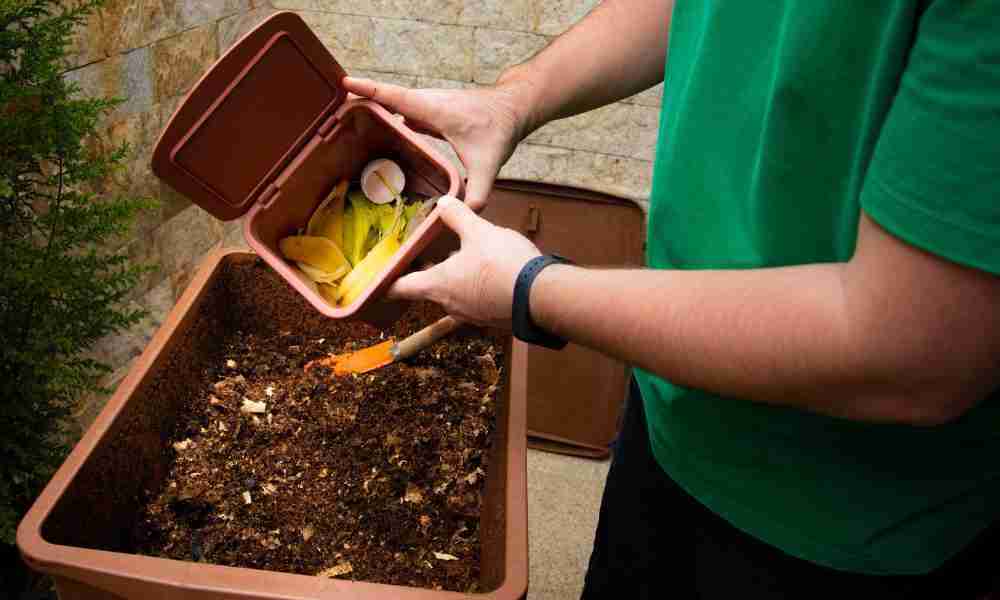
Not only is composting great for the environment and your garden, but it’s a fantastic way to start exploring ways to cultivate good soil when you’re gardening with children. Get your children to help you collect ‘ingredients’ for your compost in the home and the garden, so that they become familiar with the things they can and can’t compost.
Items such as grass clippings, weeds, dead leaves and old plants can be thrown in when you’re tidying up the garden and supplemented with nutrient-rich eggshells, teabags and shredded, non-shiny paper. With children in the mix, it’s best to opt for a compost bin rather than a compost heap, so you can be sure it’s safely secured away! Turn over the compost from time to time, so it rots down evenly and use it to fertilise your flower beds and planters when it’s ready.
5. Make a Bee Hotel
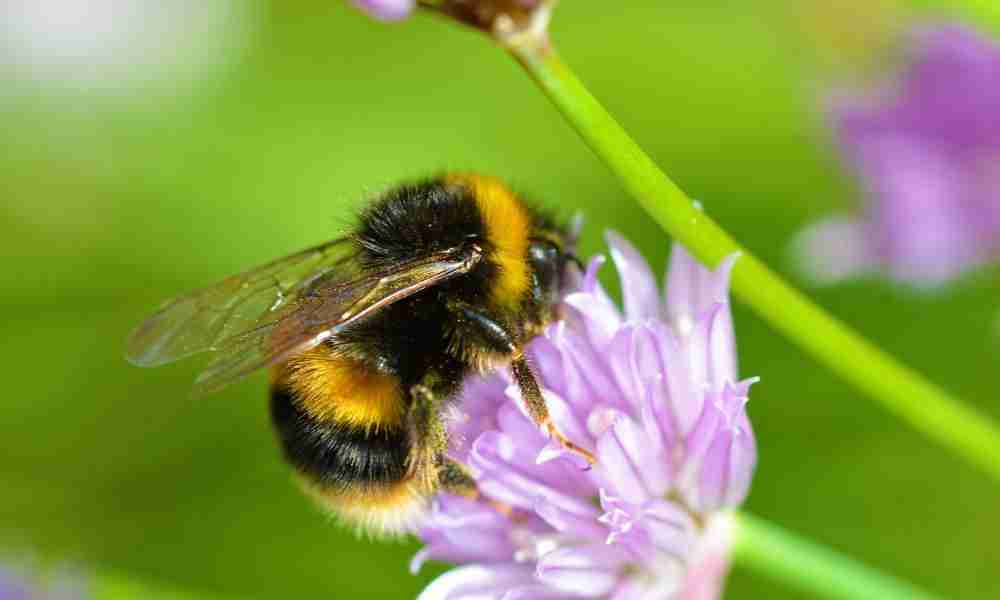
Encourage wildlife into your garden using household items to create a bee hotel! If you’ve got an old terracotta plant pot, string, plastic drinking straws and a blob of modelling clay, you’ve got everything you need to build it. Simply cut the straws to fit into the pot, then tie a bundle of them together with string. Next, add the modelling clay to the bottom of the pot and stick the straw bundle into it. Lastly, turn the pot onto its side so the bees have a quiet place to rest in your garden.
Contact Us
If you’ve tried out any of our ideas for gardening with children in Plymouth, Devon, or Cornwall, we’d love to hear from you! Simply connect with us via Facebook to share photos and stories of what you’ve done with your garden. Don’t forget to give our page a ‘Like’ whilst you’re there!
If you need help with your garden or landscape design, whether for Garden Maintenance, Garden Clearance, Fencing, Landscaping, Paving, or Turf, please don’t hesitate to contact us either by phone on 07399 092364 or via the contact form to discuss your gardening requirements in Plymouth, South Devon, or East Cornwall.